

Scientific Research
Empowering Science and Wellbeing: Key Contributions in Medicine & Public Health
Scientific innovation drives human advancement. From simple discoveries to transformative medical breakthroughs, research helps to elevate quality of life across the globe. Recognising this, the Shaw Foundation supports research spanning multiple disciplines, pursuing solutions to humanity’s most urgent challenges whilst working to secure a healthier, more sustainable world for future generations.
Innovative Scientific Research
Pioneering University Research
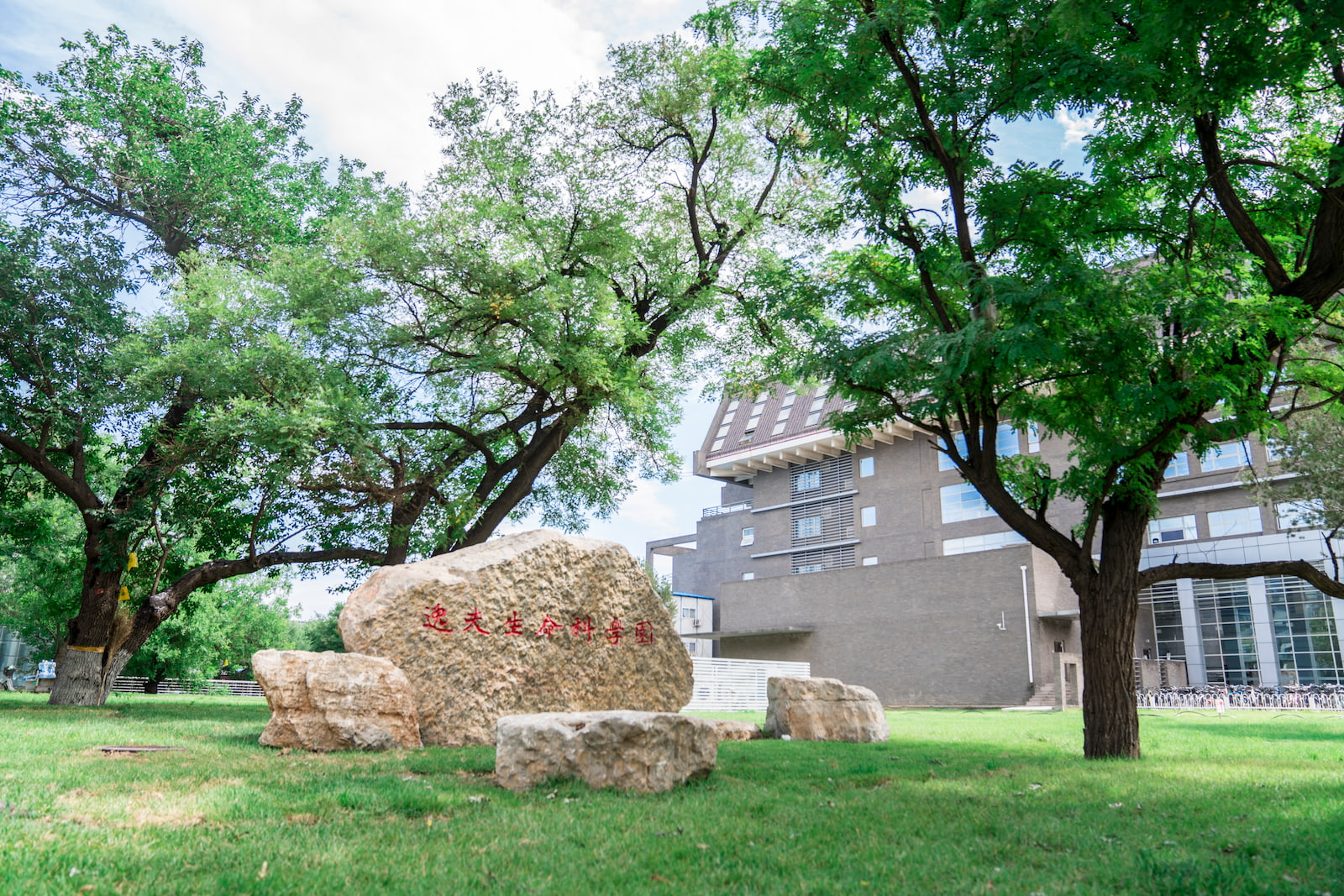
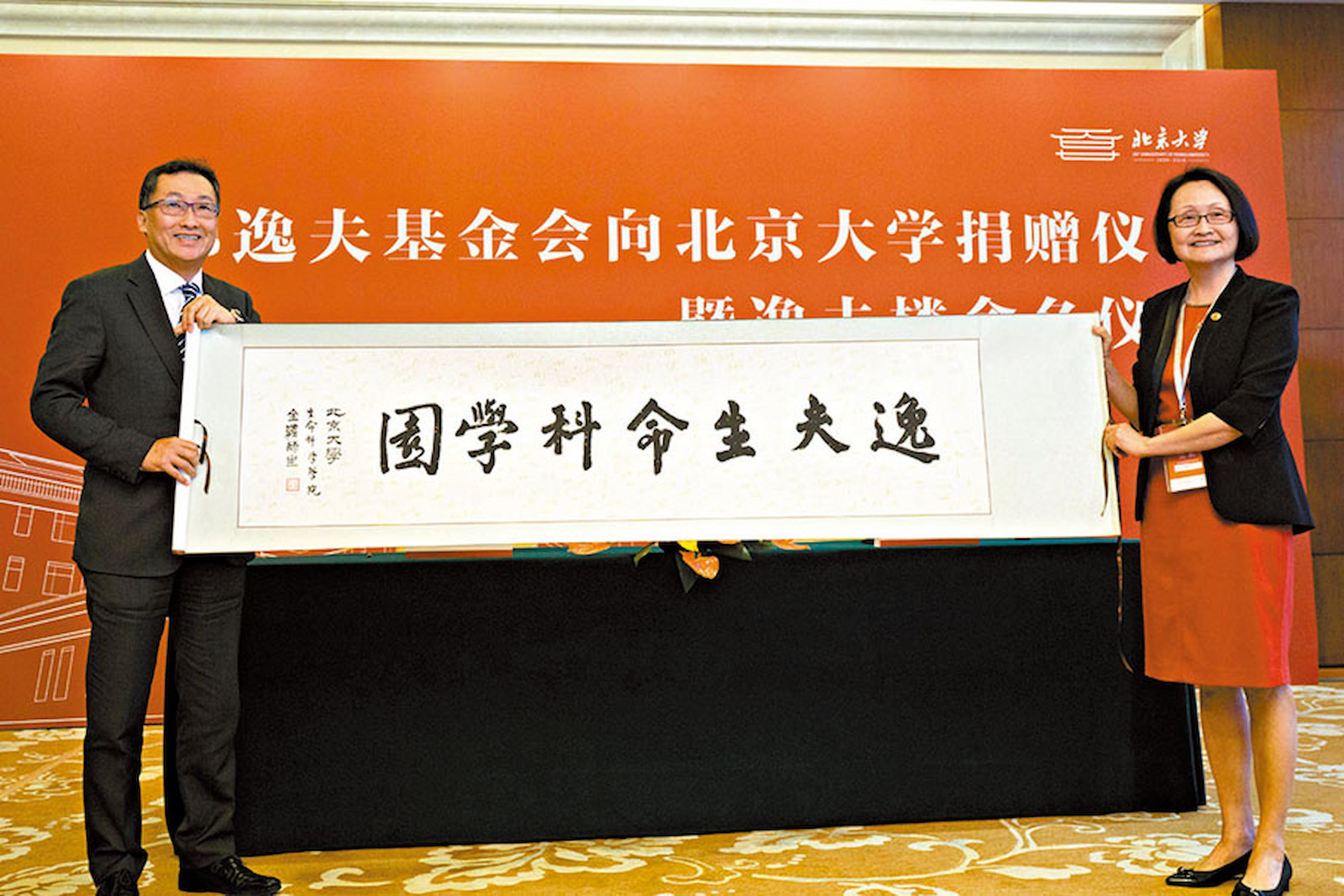
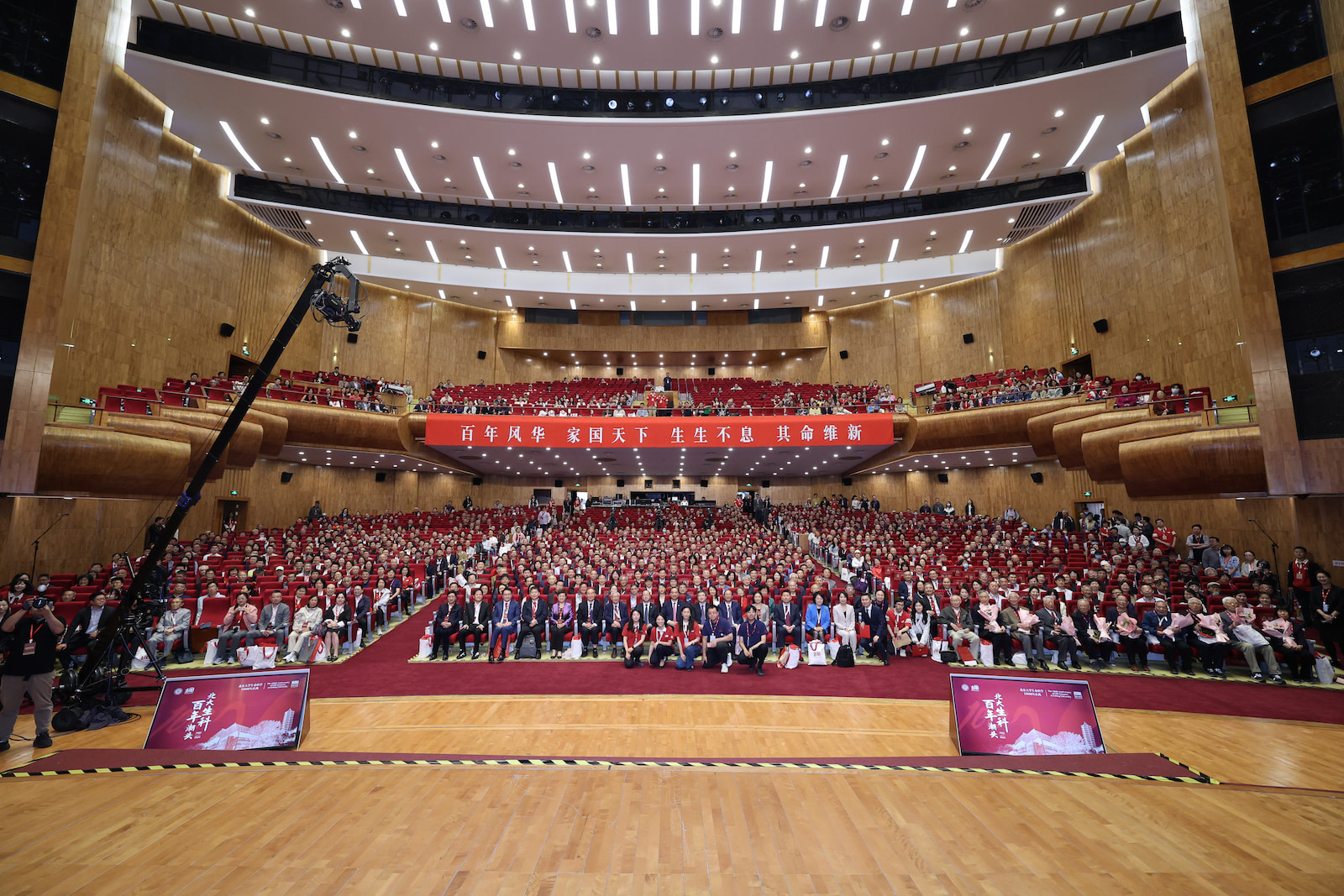
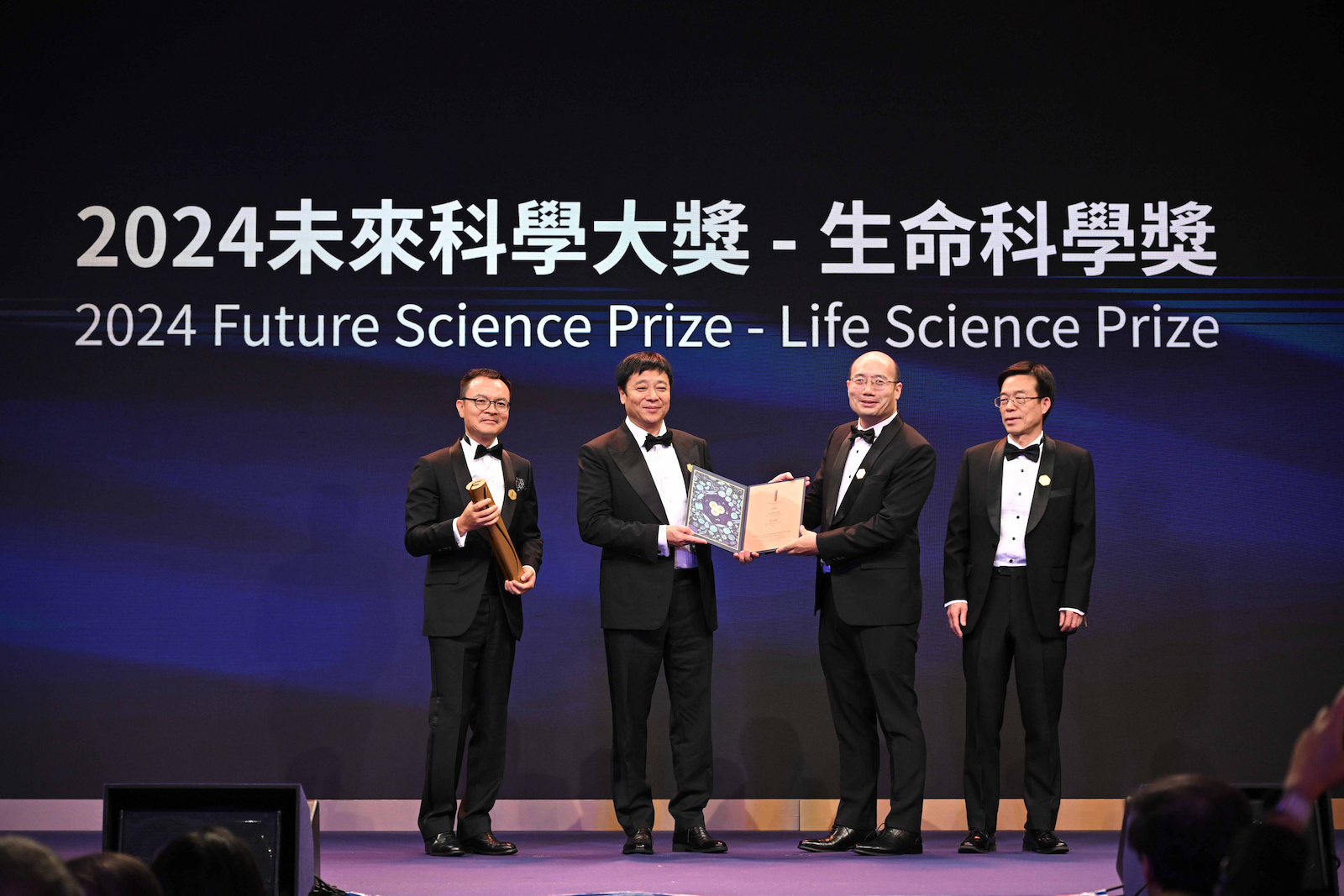
One of the Foundation’s most impactful contributions has been its 500 million RMB endowment to the School of Life Sciences at Peking University, which has accelerated frontier research and major scientific projects. Over the past five years, this funding has enabled the recruitment of leading international scientists and driven pioneering studies in advanced life sciences thereby improving human health. Building on this momentum, the endowment has facilitated the establishment of five major research centres and supported 66 active research projects which collectively led to the publication of 30 international academic journals. This had led to groundbreaking advances, including improvements in recovery rates for serious illnesses, innovative approaches to global food security, and the promotion of sustainable synergies between humans and nature.
Noteworthy award-winning contributions have been made to research including:
- An innovative chemical reprogramming technique offering new ways to treat severe diseases renewing hope for cures.
- A method allowing the crossing of disparate varieties in plant breeding which hopes to yield significant agricultural advances. This was honoured among China’s top ten university science achievements of 2019.
- A novel gene-editing technology enabling precise alterations to RNA, potentially offering treatment for a wide range of genetic disorders.

Global Pandemic Prevention Research
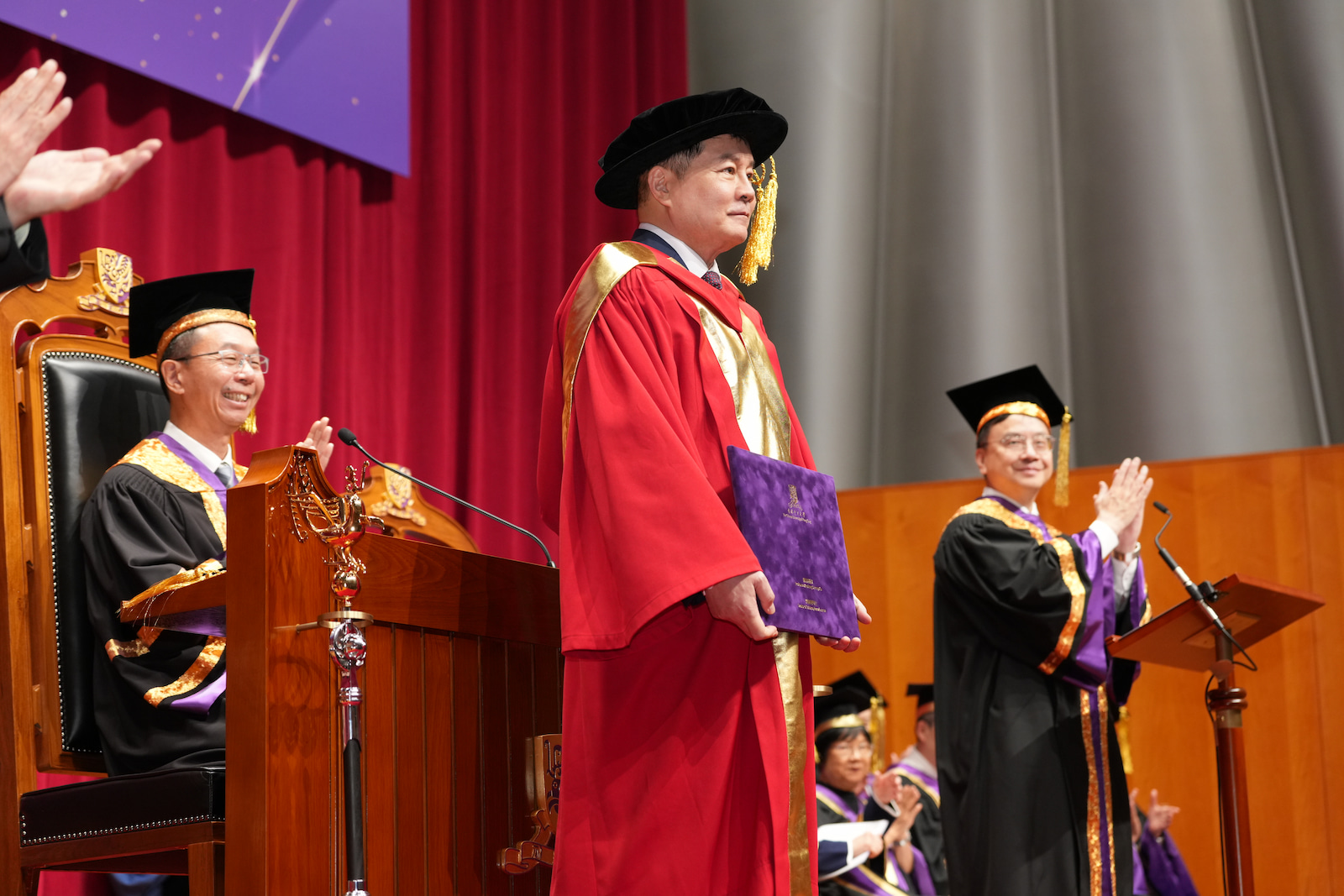
Another major scientific advancement occurred at the outbreak of COVID-19, which presented unprecedented challenges worldwide. The Shaw Foundation responded rapidly, not only by donating essential goods to those in need, but also by providing substantial support to groundbreaking scientific research. In 2019, the Foundation committed significant funding to the Department of Microbiology at the Li Ka Shing Faculty of Medicine, University of Hong Kong, enabling advanced study of emerging infectious diseases and coronavirus-related illnesses. This research had major global impact, with the team publishing over 80 articles in leading international medical journals. Notably, on 24 January 2020, the team’s research article was chosen by the world’s highest-impact medical journal The Lancet as one of the landmark papers in its 200-year history – marking the first documentation of the person-to-person transmission of COVID-19, and offering vital insight to inform government policy and epidemic control.
Responding to Global Health Challenges through advancing international collaboration
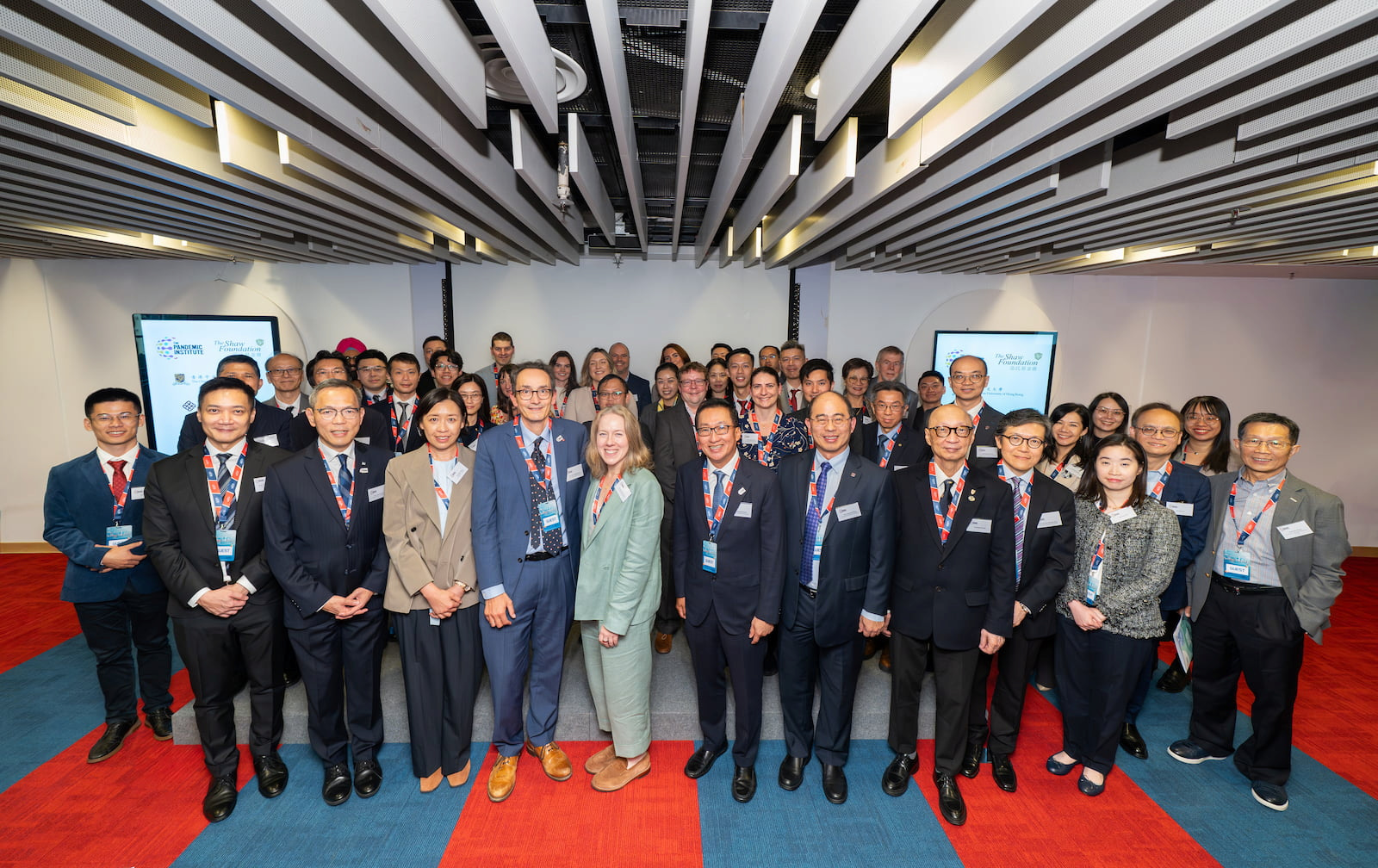
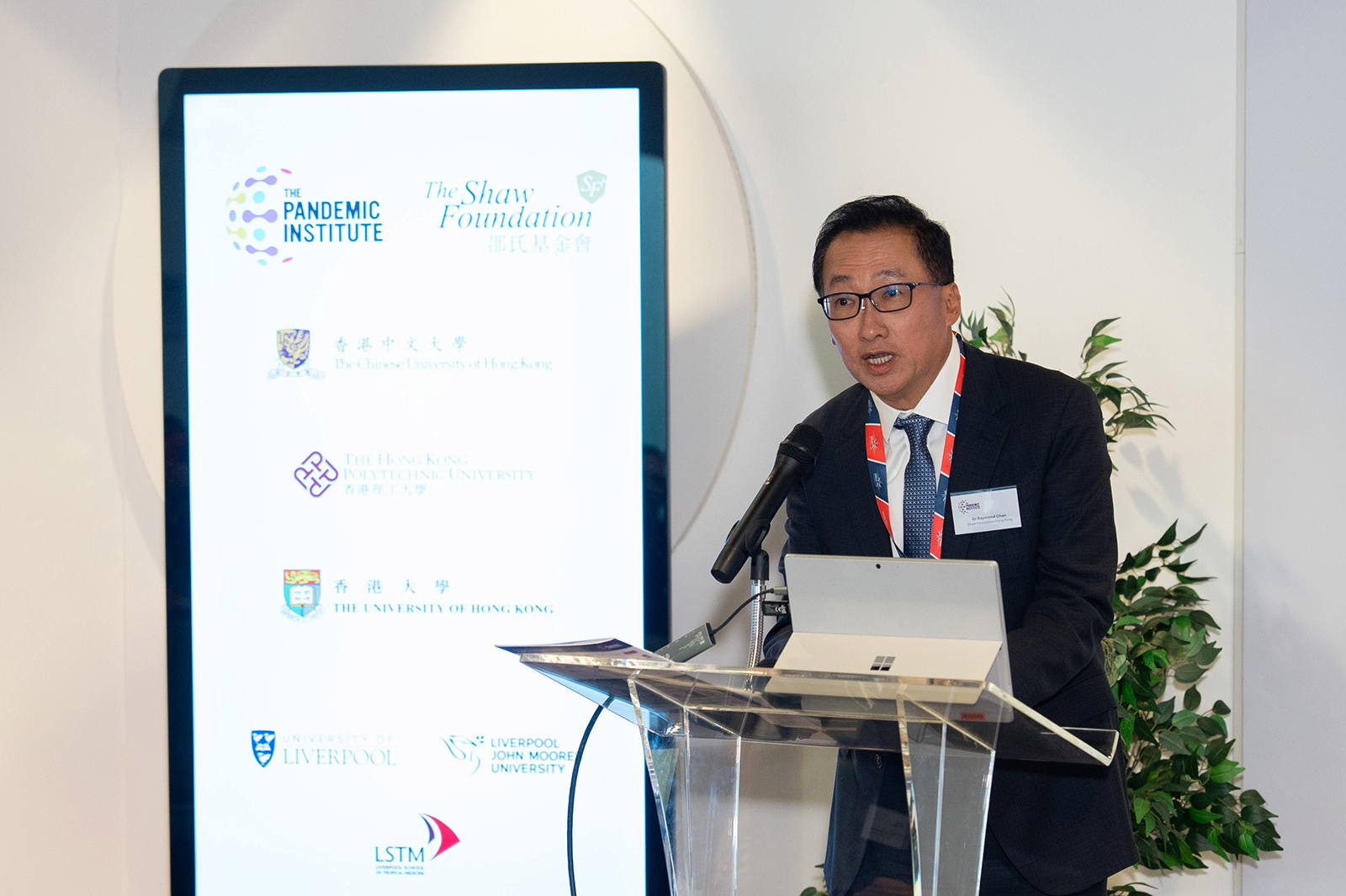
COVID-19 taught us that increasing human mobility brings mounting risk of global infectious disease. This has deepened the Foundation’s commitment to investigating this area, with a focus on preparedness for future outbreaks. In line with this, the Foundation has supported The Pandemic Institute (UK in one of the most pioneering cross-border and cross-school research partnerships in the field of emerging infections. This initiative fosters research partnerships between three leading Hong Kong universities—the University of Hong Kong (HKU), the Chinese University of Hong Kong (CUHK), and the Hong Kong Polytechnic University (PolyU)—and The Pandemic Institute’s three UK founding academic partners—the University of Liverpool, the Liverpool School of Tropical Medicine, and Liverpool John Moores University.
Altogether, nine joint research projects have been established, leveraging complementary scientific and technological expertise. The scope of these projects encompasses artificial intelligence and machine learning, novel diagnostic techniques, therapeutic innovation, epidemiological modelling, genomic analysis, and investigations into disease mechanisms. These synergistic approaches are designed not only to enhance global capacity to respond swiftly and effectively to infectious disease threats, but also to show how bold, cross-border alliances can set a new benchmark for global health cooperation.
Building the Future
Through these strategic actions, from supporting leading research institutions to weaving an international, multi-university alliance, the Foundation demonstrates its unwavering commitment to advancing knowledge, improving public health, and building a more sustainable future. By harnessing the collective strengths of global partners and innovative technologies, the Foundation is forging a path towards a healthier, brighter tomorrow for all.